
Modern metal mixing is one of the most demanding skills in music production. With layers of guitars, powerful drums, aggressive vocals, orchestral elements, and deep bass competing for attention, every mixing decision matters.
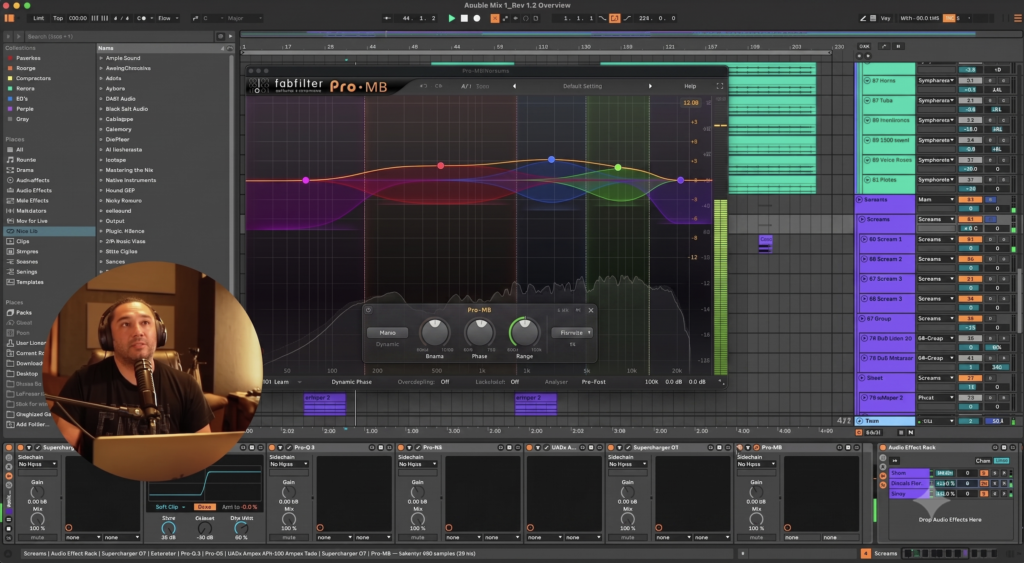
In this tutorial, we revisit a professional mix completed for Letters From Wolves’ album Immortals, specifically the song “Anubis.” After stepping away from the project for several months, we opened the session to analyze every major mixing decision, explain why those choices were made, and share valuable lessons that every beginner and intermediate mix engineer can apply to their own productions.
Whether you’re learning how to mix metal, searching for metal drum mixing tips, or trying to improve your overall audio engineering workflow, this breakdown is packed with practical techniques.
Why Session Organization Makes Mixing Faster
Before touching a single plugin, organization is everything.
Large metal productions can easily exceed 100 individual tracks, making it incredibly easy to lose focus. Proper labeling, color coding, bussing, and routing allow you to make creative decisions instead of wasting time searching through your session.
For beginner engineers, learning to organize your DAW session may be one of the biggest improvements you can make before even reaching for an EQ.
A clean session leads to cleaner mixes.
Mixing Metal Drums: Creating Power Without Losing Clarity
Drums are the foundation of modern metal.
Instead of processing every track aggressively, the goal is to make every drum element work together while leaving room for guitars, bass, vocals, and orchestral instruments.
Some of the techniques covered include:
- Adding harmonic saturation for extra punch
- Using transient shapers to tighten kick and snare attacks
- Building low-end with artificial sub frequencies when necessary
- Using clipping to control peaks without destroying dynamics
- Carefully shaping EQ instead of making extreme boosts
Rather than relying on presets, every processing decision is made to solve a specific problem inside the mix.
Why Sidechain Compression Is Essential in Modern Metal
One of the biggest themes throughout this mix is sidechain compression.
Many beginner engineers only sidechain bass to kick drums, but modern metal often requires much more advanced routing.
Throughout this session, sidechains are used to:
- Let the kick drum cut through dense arrangements
- Create space for 808s
- Control orchestral layers
- Prevent guitars from masking important transients
- Keep low-end clean during breakdowns
Instead of instruments fighting for space, they begin supporting each other.
The result is a tighter, heavier, and much more professional sounding mix.
Kick Drum Processing for Heavy Metal
A powerful kick drum isn’t simply louder, it occupies the right frequencies.
This mix focuses on:
- Controlled compression
- Harmonic enhancement
- Added sub frequencies
- Transient shaping
- Gentle clipping for consistency
Rather than crushing the kick, each plugin performs a small task that contributes to a much bigger overall sound.
Small improvements stacked together often outperform one aggressive processor.
Snare Drum Mixing Techniques That Cut Through Heavy Guitars
One of the hardest challenges in metal mixing is getting the snare to remain powerful without becoming harsh.
Several techniques help accomplish this:
- Layering harmonic saturation
- Enhancing attack with transient designers
- Adding body without muddying the mix
- Parallel reverb blending
- Controlling resonances using EQ
- Careful compression that enhances punch
The goal isn’t simply making the snare louder, it’s making every hit feel impactful while remaining balanced against walls of distorted guitars.
Why MIDI Drums Can Be a Powerful Mixing Tool
Although live drums offer incredible realism, professionally programmed MIDI drums provide several advantages during mixing.
Separate outputs for kick, snare, cymbals, toms, overheads, and rooms allow engineers to process each element independently without worrying about microphone bleed.
This level of control makes modern metal production significantly easier, especially for beginners learning compression, EQ, and transient shaping.
Building Massive Quad-Tracked Metal Guitars
Heavy guitars are about much more than distortion.
This session uses quad tracking, combining multiple performances with different amp tones to create width and depth.
Additional techniques include:
- Layered saturation
- Parallel octave processing
- Stereo widening
- Frequency carving
- Multiband dynamics
- Sidechain control against the kick drum
Every guitar layer has its own purpose while leaving room for vocals to remain front and center.
Mixing Bass Guitar That Actually Cuts Through
One common mistake is making bass louder instead of making it more audible, instead of relying only on low frequencies, this mix blends distorted harmonics with the clean DI signal.
By introducing upper harmonic content, the bass becomes much easier to hear on:
- Phone speakers
- Laptop speakers
- Bluetooth devices
- Small monitors
- Car stereos
The result is a bass guitar that feels huge without overwhelming the mix.
Balancing Synths and Orchestral Layers in Metal
Symphonic metal introduces another challenge, making orchestral instruments support the mix without covering the guitars.
Instead of turning synths down, sidechain compression allows them to duck only when necessary.
This keeps:
- Guitar riffs aggressive
- Kick drums punchy
- Orchestral textures wide
- Breakdowns powerful
The listener hears every element while maintaining the energy of the performance.
Mixing Aggressive Metal Vocals
Heavy vocals often require multiple stages of subtle saturation rather than one aggressive distortion plugin.
Throughout the vocal chain, several processors add:
- Harmonic richness
- Tape coloration
- Compression
- De-essing
- Frequency shaping
Rather than drastically changing the performance, each processor contributes a small improvement that builds into an aggressive but controlled vocal tone.
The Biggest Mixing Lesson: Every Plugin Needs a Purpose
One of the most important takeaways from revisiting this professional mix is that successful mixes aren’t built by collecting plugins, they’re built through intentional decisions.
Every EQ move, compressor, saturation plugin, sidechain, and clipper exists to solve a specific problem.
As your ears improve, you’ll begin making smaller, more confident decisions that add up to dramatically better mixes.
Mix in context, stay organized, trust your ears, and never stop revisiting older projects. Looking back at previous mixes is one of the fastest ways to continue improving as an audio engineer.
Download the FREE Metal Drum Multitracks
Want to follow along with this tutorial and practice these techniques yourself?
Download our FREE professional metal drum multitracks at the bottom of this page. You’ll receive the same multitrack drum files used throughout this lesson so you can practice EQ, compression, transient shaping, saturation, clipping, and drum bus processing inside your own DAW.
Whether you’re using Pro Tools, Ableton Live, Logic Pro, Cubase, Reaper, Studio One, or FL Studio, these free drum multitracks are the perfect way to sharpen your metal mixing skills and start creating heavier, more professional mixes.